supplied by PO 'Center for Innovations Development'
Municipal Economic Data Indicators
2025
2024
2023
2022
Total number of business entities
Number of legal entities
Number of individual entrepreneurs
Activity rate, all business entities
Activity rate, legal entities
Activity rate, individual entrepreneurs
Survival rate, all business entities
Survival rate, legal entities
Survival rate, individual entrepreneurs
Boryslav Community
About
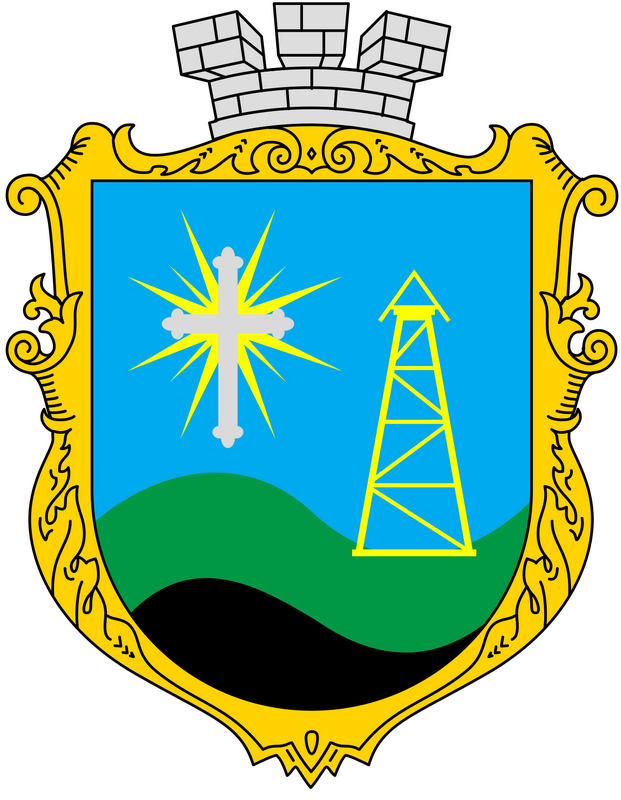
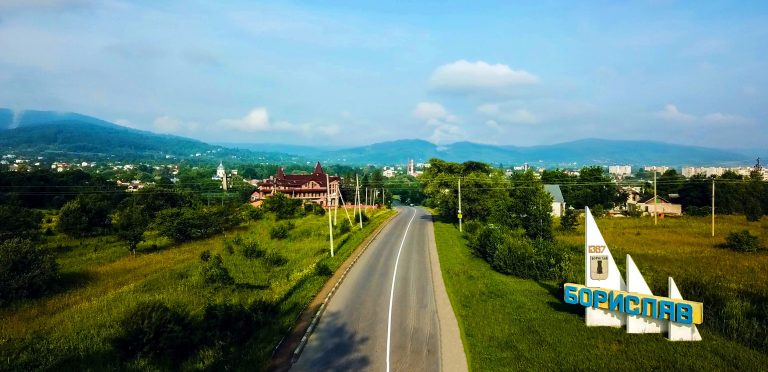
The Boryslav City Territorial Community is an administrative and territorial unit in the Drohobych District of Lviv Oblast, established on June 12, 2020 through the amalgamation of the Boryslav City Council and three village councils (Popeli, Urizh, and Yasenytsia-Silna). The community consists of 7 settlements—the city of Boryslav and the villages of Popeli, Urizh, Vynnyky, Mokriany, Pidmonastyrok, and Yasenytsia-Silna.
The total area of the community is 161.8 km², with a population of over 39.5 thousand residents. The administrative center is the city of Boryslav, renowned as a unique city in the world, located directly on an industrial oil, ozokerite, and natural gas field.
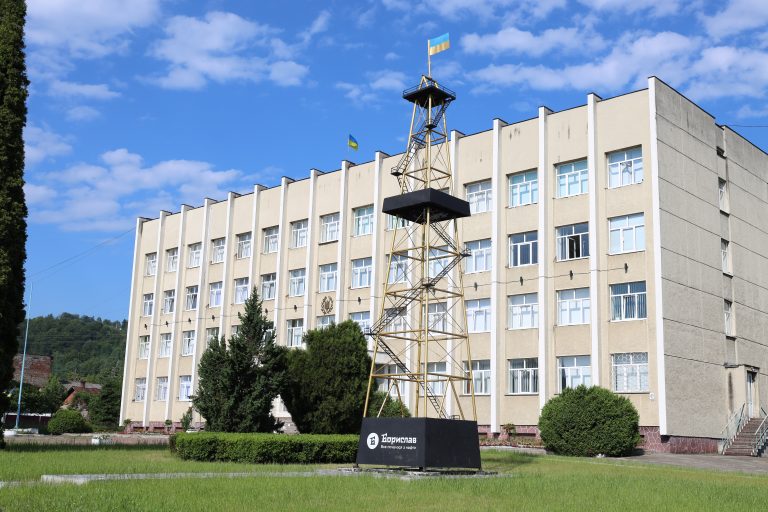
The community ensures the development of social, educational, and healthcare infrastructure, while supporting local business and industry. Boryslav is a historic center of oil extraction, often referred to as the cradle of the European oil industry.
Natural Resources
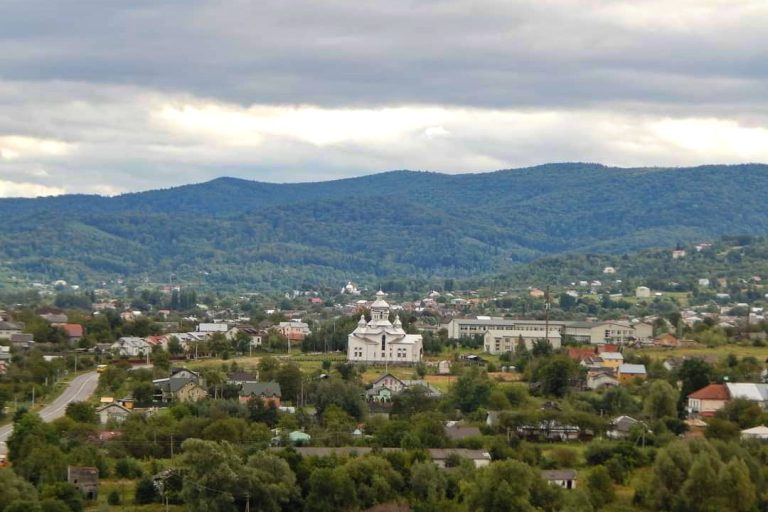
The territory of the community is located in the foothills of the Ukrainian Carpathians (Eastern Beskids) and is characterized by unique natural and climatic conditions. The area is covered with beech and fir forests, which are protected and sustainably managed. The Tysmenytsia River and numerous mountain tributaries flow through the territory, forming picturesque landscapes.
The community includes part of the Skole Beskids National Nature Park, which serves as an important center for ecotourism and nature conservation activities. The community possesses significant forest resources that are actively used for the development of forestry and related industries.
Key natural resources include:
Hydrocarbon deposits (oil, natural gas, ozokerite)
Reserves of mineral and therapeutic waters
Forested areas
Fertile soils suitable for agricultural activities
Positioning
The Boryslav Community is strategically located in Western Ukraine, within the Drohobych–Boryslav industrial region. It has good transport accessibility and lies within the influence zone of the regional center, Lviv, which is only 96 km northwest.
The distance to the nearest EU border crossing (Krakovets) is 98 km, making the community attractive for the development of international trade and logistics.
Proximity to Lviv International Airport (100 km) and to Black Sea ports (880–937 km) ensures convenient access to international transport corridors. The community’s location on the edge of the Carpathians and within a national park promotes the development of ecotourism and recreation. The community is part of global transport corridors connecting Europe and Asia.
Geography & Logistics
The community is situated in the foothills of the Carpathians and has a well-developed road network connecting it to major regional and national transport routes. Administratively, it belongs to the Drohobych District and borders the cities of Drohobych and Truskavets, as well as the village of Opaka.
Logistical capacity is supported by three nearby railway stations:
Truskavets (10 km)
Stebnyk (14 km)
Stryi (42 km)
These stations provide connections to Lviv and other major cities. Lviv International Airport is 100 km away, ensuring fast air links with Europe and the rest of the world. The community has direct access to the international highway M10, leading to the Polish border and onward to Europe.
Local Business
The community’s economy is primarily based on oil and gas production, tourism and recreation, forestry, and agriculture. The city of Boryslav is a national center of oil extraction, with a rich history and substantial production capacity.
In tourism, the community focuses on ecotourism, mountain tourism, and balneological tourism (with nearby Truskavets as a spa destination). Agricultural enterprises operate in mountainous conditions, while forestry is developed with a strong emphasis on environmental protection and sustainable resource use.
The local community aims to develop new economic sectors, including alternative energy and secondary raw material processing. With the support of international partners such as the European Union and the World Bank, projects are being implemented in the fields of sustainable natural resource management and environmentally responsible development.
All EoTU business units are stand alone legal entities designed, in aggregate, to provide comprehensive support for any transaction, from any source, in any amount to all stakeholders